Programs
Our programs are designed to provide practical martial arts and self-defense training in a disciplined, supportive environment where students can develop their skills, build confidence, and challenge themselves both physically and mentally. Through dedicated training, students learn the fundamentals of self-defense, improve their awareness and physical ability, and develop the discipline, focus, and mindset that are at the heart of martial arts. At Shido, our goal is to help every student grow stronger, more capable, and better prepared both on and off the training floor.
White Belt (beginner)
Most students walk in excited but unsure what to expect. This stage isn't really about technique it's about teaching them how to stand still, listen, and move with control. The front-kick catches up later.Skills developed: Basic stances (front, horse), the three core blocks, straight punches, front kicks, and a first introductory kata — all of it built on top of learning dojo etiquette.What parents see: The child comes home calmer and more willing to follow instructions at home. That's usually the first signal the belt system is working, not the technique.Watch out for the "is my kid ready for a promotion?" question—it shows up fast at white belt, before anyone fully understands what promotion means. Setting clear standards upfront is how you stop status-chasing from taking over.Yellow Belt
These are your novice students. This is where your new students begin to take their first steps forward. They're no longer learning isolated movements; they're beginning to chain techniques together. What students learn: They're learning the principles and systems that govern karate. At yellow belt, students typically develop stronger transitions between stances, expanded kata and basic combination techniques.At this stage, students lean into repetition and training consistency. This is where they begin moving from conscious to unconscious competence, performing movements more naturally.What parents typically notice: Parents often comment on the small wins their child has achieved and their growing enthusiasm for training.Motivation is essential here. Many new students quit during their first year; understanding is so important. It helps with student motivation, providing instructors with the tools they need to minimize unnecessary dropout.Green Belt
These students are no longer beginners.In many belt orders, this is the halfway mark. Green belt is the rank where students move from beginner to intermediate practitioner. This change can be jarring, students at this rank are much more technical, but karate itself begins to feel more technical. This can be challenging and difficult for students. What students learn: At green belt, focus their attention on adding more powerful kicks, building competency with light and controlled sparring, and expanding kata complexity. At this rank, instructors typically encourage their students to focus on precision and timing. This is especially important as sparring now plays a more dominant role in their training. What parents typically notice: Parents often see a marked increase in their child's athletic ability. Their consistent training has led to increased patience and a willingness to persevere when facing challenges. From a curriculum perspective, this is where strong structure becomes essential. Many schools rely on carefully designed martial arts curriculum frameworks to ensure students develop the right skills at the right time.Purple Belt
This belt is an introduction to advanced belts. This belt isn't used universally. Some schools use it, some don't. The ones that do tend to use this belt as a milestone between intermediate and advanced training. What students learn: Purple belt students focus on developing refined sparring techniques, and a greater sense of control and accuracy throughout their technique. They spend more time focused on advanced kata complexity, tactical thinking and precise movement. Their defensive reactions are unconscious and automatic. At this rank, it's no longer just about technique. This is where students expand their focus to include strategy and tactics. What parents typically notice: Parents frequently mention that they see more independence and creativity from their child during training; there’s a significant improvement in physical conditioningAt this rank, parents and instructors notice that their students are showing a new level of creativity and independence. They're using what they've learned to develop their own style. Brown Belt
This belt is a steppingstone to advanced training.Brown belt is the final rank before black belt. It's also one of the most demanding phases of training to work through. The expectations from students at this rank are heavy, they’re preparing to take on advanced-level expectations. What students learn: Here's what's expected from students at this final step: Advanced sparring strategies and tacticsA consistent display of high-level kataMultiple combination techniquesLeadership skills and mentoringPhysical conditioning improvements
It's common for many schools to introduce assistant instructor responsibilities for students at this rank.What parents typically notice: Parents often report an increased level of maturity in their child. Strong leadership qualities and a willingness to teach and serve others and increased self-discipline overall. This is where instructors begin a deeper evaluation of a student's character. Black Belt (Shodan — first degree black belt)
One of the biggest misconceptions about the black belt is the belief that it represents mastery. This seems to be a common belief across martial arts. In reality, the word Shodan means “first step.” A student's black belt marks the transition from beginner-level training to advanced-level study.What students learn: As a black belt, students typically focus on advanced technical refinement—they begin teaching fundamentals to up-and-coming students. They lead from the front, displaying outstanding leadership and mentoring within the dojo.These black belts display high-level sparring strategy and tactics. This isn't the end of their learning, it's the start of a deep, lifelong journey.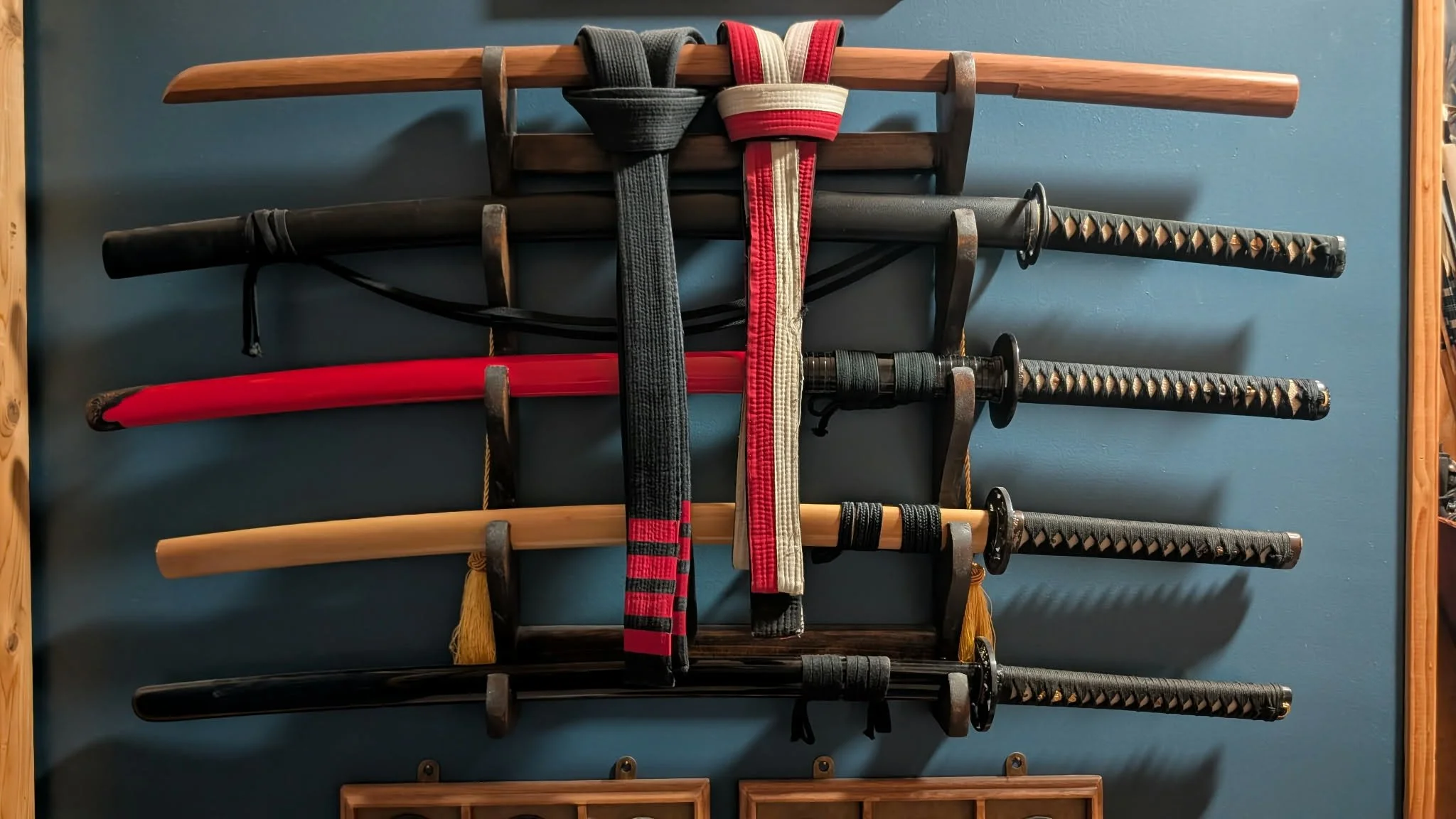
What Sets Us Apart
Our children’s program is designed to help young students grow both on and off the training floor. Through martial arts training, students develop discipline, focus, confidence, respect, and self-control while learning the importance of perseverance and personal responsibility. At Shido, we strive to create a positive environment where children are encouraged to challenge themselves, learn from their mistakes, and grow into confident, respectful, and capable individuals.
Our adult program is designed to develop practical self-defense skills while building strength, confidence, discipline, and mental resilience. Through focused martial arts training, students learn to move with purpose, respond under pressure, and develop the awareness and composure needed to handle challenging situations. Whether you are new to martial arts or looking to continue your training, Shido provides an environment where you can challenge yourself, sharpen your skills, and continue growing both on and off the training floor.
Integrity, creativity, and empathy shape the way we work. These aren't just words—they’re the foundation of everything we build. We believe in doing great work, building real relationships, and making it easy for you to get the results you’re looking for.
Youth Classes
Tuesday: 6pm - 7pm
Thursday: 6pm - 7pm
Adult Classes
Tuesday: 7pm - 8:30pm
Thursday: 7pm - 8:30pm
Dojo Rulls
1. No child will be permitted to leave the Dojo for any reason without the accompaniment of their parent or an approved adult.
2. It is a show of respect for students to request permission from one of the Sensei’s to leave the Dojo to use the restroom or get a drink.
3. All students must bow when entering and leaving the Dojo
4. All students need to be dressed and ready for training before class starts.
5. All students must bow to Black Belts.
6. No loud, profane or abusive language will be permitted.
7. No horseplay is permitted anywhere in the Dojo.
8. No personal equipment is to be left overnight in the Dojo.
9. Gis and training equipment must be kept clean at all times.
10. Men and boys are requested to keep their fingernails and toenails trimmed to avoid accidental scratching and wear a protective athletic cup.
11. All students must maintain their personal hygiene.
12. Show care and concern for the well being of your training companions.
13. As you progress in rank, help those below you.
14. Listen attentively to your SENSEI’s and follow their instructions.
15. Do not try to teach your friends and acquaintances outside the Dojo.
16. Show respect for everyone in the Dojo.
17. All students must contact the Dojo prior to scheduled classes if they are going to be late or absent for any reason.
18. Never “Show Off” to anyone.
19. If you are injured during training, notify the instructor (Sensei) immediately so the appropriate actions are taken.
20. NEVER USE ANY KNOWLEDGE GAINED EXCEPT AS A LAST RESORT AND ONLY IN SELF DEFENSE. (RETREAT UNTIL YOU CAN RETREAT NO FURTHER).